
Why Some Neurodivergent Children Avoid School: Understanding School Avoidance and Burnout
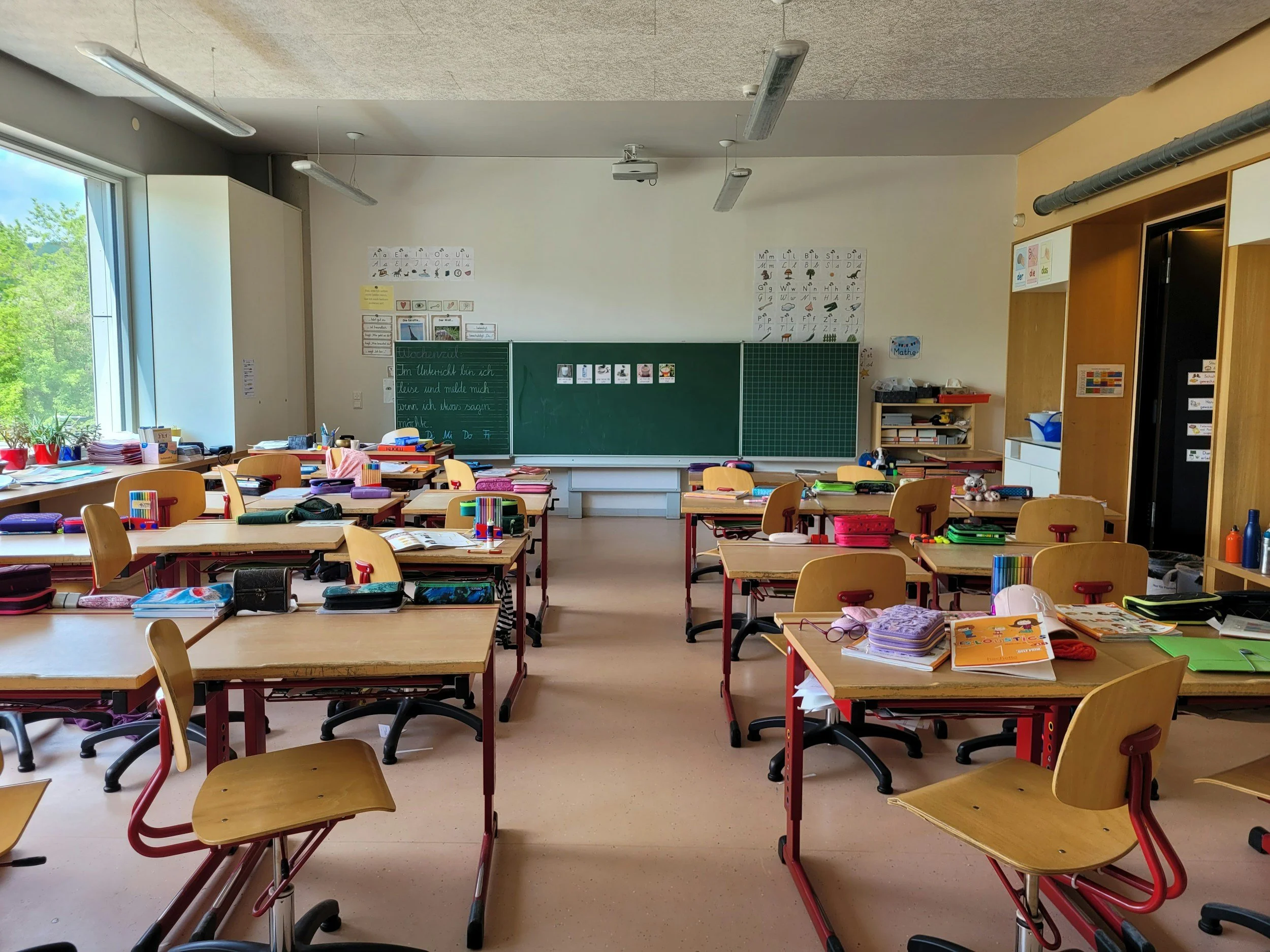
Your child is not being dramatic. They're not manipulating you. When they say they can't go to school, they're telling you something real. Something is wrong, even if it's not visible on the surface, and even if school is telling you everything is fine.
School avoidance in neurodivergent children is one of the most misunderstood and mismanaged challenges families face. And the typical response, applying more pressure, implementing firmer consequences, insisting on attendance, often makes things significantly worse.
School avoidance vs. school refusal
These terms get used interchangeably, but they describe meaningfully different things, and the difference matters for how you respond.
"School refusal" implies a behavioural choice, a child who has decided not to go and needs to be persuaded or compelled otherwise. The word "refusal" suggests willfulness. It implies that the right intervention is a behavioural one.
"School avoidance" is more accurate for most neurodivergent children, because what's happening isn't a choice. It's anxiety and nervous system-driven avoidance. The body and nervous system have learned to associate school with overwhelm, failure, sensory distress, or social pain. The alarm system is going off. A child can't decide their way out of that any more than you can decide your way out of a panic response.
Your child isn't avoiding school because they'd rather be home. They're avoiding it because school has become, in a very real physiological sense, a threatening environment.
What's actually happening
Neurodivergent children are often running on a significant deficit at school every single day. They're spending enormous cognitive and emotional energy just coping with the environment: the noise, the fluorescent lighting, the unpredictable transitions, the social demands of navigating peers, the effort of appearing attentive and organized when their brain works differently.
Many of them hold it together all day through sheer will and masking, then fall apart completely the moment they get home. Parents describe coming to pick up a child who seems to have been fine at school, only to have the car door close and everything collapse. That's not acting. That's what happens when the mask finally comes off somewhere safe.
Parents often hear: "but they seem fine at school." That phrase, while well-intentioned, misses the point. A child who is masking intensely at school and decompensating at home is not fine. The collapse at home is the real data.
Over time, the effort required to just get through the school day exceeds what the child can sustain. This is burnout. And when a child is in burnout, school doesn't feel hard. It feels impossible. The nervous system has simply reached a point where it can no longer mobilize to go.
How to respond
The instinct to push through is completely understandable. Attendance matters. You're worried about your child falling behind. You're getting pressure from the school.
But a child in nervous system overload doesn't respond to pressure the way a child who's simply avoiding something unpleasant does. Pressure on a dysregulated nervous system increases the dysregulation. It makes the association between school and threat stronger, not weaker.
What tends to actually help:
Reducing pressure and focusing on nervous system safety first, before anything else
Having honest, low-pressure conversations with your child about what specifically feels hard
Working collaboratively with the school to reduce demands and increase support, not just increase pressure to attend
Getting a comprehensive assessment to understand what's actually driving the avoidance
Addressing underlying anxiety, sensory needs, or executive function challenges directly
If your child is struggling to attend school and you're not sure what's driving it, a comprehensive assessment can help you understand the full picture and give you a clear, specific path forward. You don't have to choose between supporting your child and getting them the help they need.
Thrive Psychology supports families with school-related distress through psychoeducational assessment, autism and ADHD assessments when those questions are live, child therapy, occupational therapy, and our full assessment overview.